LOW BLOOD PRESSURE REMEDY
WHAT IS LOW BLOOD PRESSURE?
Low Blood Pressure (Hypotension) might seem desirable, and
for some people, it causes no problems. However, for many people,
abnormally low blood pressure (hypotension) can cause dizziness and
fainting. In severe cases, low blood pressure can be life-threatening.
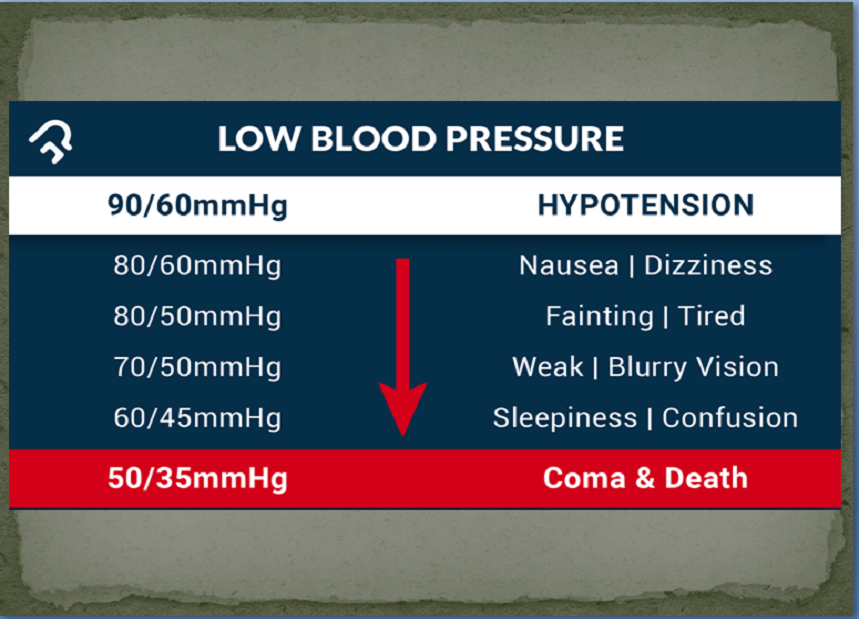
A blood pressure reading lower than 90 millimeters of mercury (mm Hg)
for the top number (systolic) or 60 mm Hg for the bottom number
(diastolic) is generally considered low blood pressure.
The causes of low blood pressure can range from dehydration to serious
medical disorders. It's important to find out what's causing your low
blood pressure so that it can be treated.
Blood Pressure is determined both by the amount of blood your
heart pumps and the amount of resistance to blood flow in your arteries.
The more blood your heart pumps and the narrower your arteries, the
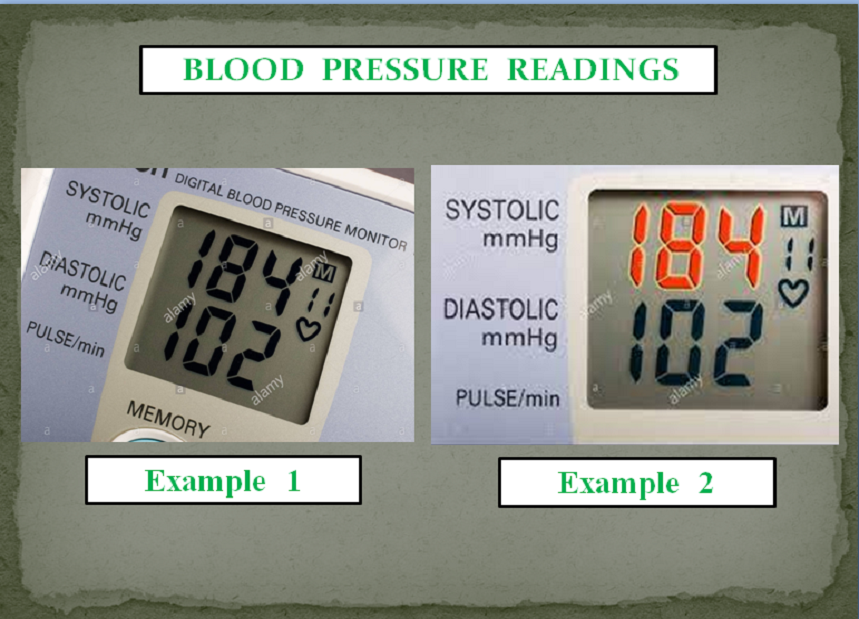
higher your blood pressure. A blood pressure reading is given in
millimeters of mercury (mm Hg). It has two numbers.
Symptoms of Low Blood Pressure
For some people, low blood pressure signals an underlying
problem, especially when it drops suddenly or is accompanied by signs
and symptoms such as:
Shock
Extreme hypotension can result in SHOCK and this is life-threatening condition. Signs and symptoms include:

Causes of Low Blood Pressure
Current guidelines identify normal blood pressure as lower than
120/80 mm Hg. Blood pressure varies throughout the day, depending on:
Body position, Breathing rhythm, Stress level, Physical condition,
Medications you take, What you eat and drink, Time of day and the rest.
Blood pressure is usually lowest at night and rises sharply on waking.
Medical conditions that can cause low blood pressure include:
Risk factors of Low Blood Pressure
Low blood pressure (hypotension) can occur in anyone, though certain
types of low blood pressure are more common depending on your age or
other factors:
Complications of Low Blood Pressure
Even moderate forms of low blood pressure can cause dizziness, weakness, fainting and a risk of injury from falls.
And severely low blood pressure can deprive your body of enough oxygen
to carry out its functions, leading to damage to your heart and brain.
Our Recommendation
Forever Living Products For Low Blood Pressure (Hypotension Natural
Pack). This forever living products for Low blood pressure pack works
from the cellular level, from the roots. The Pack strengthens your heart
muscles, arteries, veins, and capillaries. It helps to detoxify your
entire body and blood systems to get rid of the body and blood toxicity
that impairs proper and easy blood circulation and flow. Feel better,
recovered, full of vitality as you bounce back to living Normal to the
max again! The products in our High Blood Pressure Solution Pack work in
synergy to give you improved blood flow, health, mental clarity,
vitality and fresh enthusiasm to live. The total result is that your
Blood Pressure gets normalized and your body becomes stronger and well
enough to help live normal again.
All products recommended are 100% Safe, Material sources from natural organic plants and are all medically proven.


Comments
Post a Comment